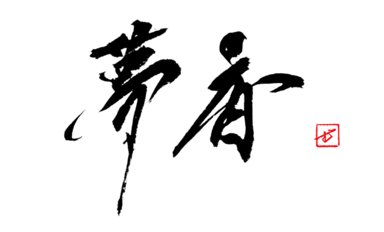
KANJI DICTIONARY
On'yomi
いん
Kun'yomi
かげ、かげる
Strokes
11
JLPT
N1
Meaning
Shade, Yin, Negative, Sex Organs, Secret, Shadow
陰 is an 11-stroke kanji, JLPT N1, taught in junior high school. On'yomi: いん (in). Kun'yomi: かげ (kage, shade), かげる (kageru, to cloud over).
Meanings
- Shade / shadow: a place where light does not reach — 日陰 (hikage, shade), 木陰 (kokage, shade of a tree)
- Yin: one half of the yin-yang pairing in East Asian thought — passive, receptive, lunar
- Hidden / secret: 陰謀 (inbō, conspiracy), 陰口 (kageguchi, gossip behind someone's back)
Origin
A phono-semantic compound: the semantic element 阜 (kozatohen, ⻖, meaning hill or mound) paired with the phonetic element 侌 (in), itself composed of 今 (now) and 云 (cloud). The image is of clouds covering light — hence shade, shadow, and concealment.
How to Write 陰 — Structure Notes (11 Strokes)
The key is distributing width roughly 1:3 between left and right: kozatohen (⻖) occupies about one-quarter of the total width; the right side (今 above, 云 below) takes the remaining three-quarters.
- Keep kozatohen narrow and vertical: the bent horizontal stroke at the top is short; the vertical stroke below is long. This reserves space for the right-side components.
- Spread the person-shape of 今 wide: the upper-right component 今 opens its top strokes broadly left and right, anchored by a firm hooked stroke below.
- Space the two horizontals of 云 evenly: both strokes rise gently to the right. The final sweeping stroke of 云 extends down and to the right, giving the character a settled base.
Script Styles
Kaisho (Regular Script)
Align kozatohen to the left margin, keeping it narrow. Spread 今's top strokes wide, space 云's two horizontals evenly, then close with a generous final sweep.
Gyosho (Semi-Cursive)
Connect kozatohen to the right side with a flowing brush path. Treat 今 and 云 as one continuous motion, letting the horizontal strokes gain rhythm.
Sosho (Cursive)
Abbreviate the right side boldly. The contrast between the compressed left and the open sweep of the right is enough to suggest 陰's structure and meaning.
Summary
陰 is built on a 1:3 width split: a narrow kozatohen on the left, and the two-part 今+云 on the right. Pressing the left component inward while letting the right expand outward gives the character its characteristic sense of depth — shadow forming where light cannot reach.
Tips for Writing “陰” Beautifully
- • In Kaisho (楷書), write each stroke carefully with clear stops and flicks
- • In Gyosho (行書), let the brush flow rhythmically between strokes
- • In Sosho (草書), simplify boldly while maintaining balance
- • 11 strokes total — following the correct stroke order naturally creates beautiful form
COMMISSION
This Character, Brushed as a Work
MUKYO creates commissioned calligraphy — logotypes, title lettering, and original artworks for brands and spaces, as well as live calligraphy performances. Available in Japan and worldwide.