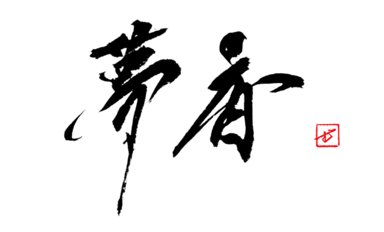
KANJI DICTIONARY
On'yomi
りょう
Kun'yomi
Strokes
15
JLPT
N1
Meaning
Dormitory, Hostel, Villa, Tea Pavillion
寮 is a 15-stroke kanji with radical 宀 (roof). It reads りょう (on'yomi only — no kun'yomi in common use) and means a dormitory or residential quarters. The character is built from 宀 (a roof) above 尞 (a burning torch), evoking a building where lights never go out: a place of communal living.
Reading of 寮
- On'yomi: りょう — 学生寮 (student dormitory), 社員寮 (company dormitory), 寮生 (dormitory resident), 寮長 (dormitory head), 寮費 (dormitory fee)
- Kun'yomi: none — 寮 has no registered kun'yomi in the standard list of jōyō kanji
All words containing 寮 are read りょう. The single reading makes vocabulary straightforward once the character is learned.
Meanings of 寮
- Dormitory, residential quarters — a building where multiple people live together; 学生寮 (student dorm), 社員寮 (company housing)
- Official lodge, government office — historically, 寮 referred to government departments and the quarters attached to them; the sense of "staffed building" underlies both usages
Origin of 寮
寮 combines 宀 (roof — any sheltering structure) with 尞 (ryō), a pictograph of burning wood stacked to make a torch. 尞 supplies the reading; its image of firelight survives in the character's core meaning: a building where people gather and lights burn through the night.
How to Write 寮 — Structure and Stroke Order (15 strokes)
With 15 strokes, 寮 is best approached as two tiers stacked under one roof: 宀 on top, 尞 below.
- 宀: wide and shallow, like an open canopy. Write the three strokes of 宀 (dot, left-sweep, horizontal-bend) broadly so they form a roof wide enough to shelter 尞 beneath. Do not make the roof too tall or narrow.
- 尞: divide into three bands and keep them parallel. Think of 尞 as three horizontal layers — upper, middle, lower — each containing one or more horizontal strokes. Keep the spacing between layers even and run a single vertical through the center to hold the stack upright.
- Bottom section: the shape of 小. The last three strokes form 小: a center vertical with hook, then a dot to each side. Place this base so it anchors the whole column.
Expression in Each Script
Kaisho (Regular Script)
Keep every horizontal at equal intervals and let 宀 spread generously. One stroke per beat — 15 strokes demand patience; spacing is the deciding factor.
Gyosho (Semi-Cursive Script)
Use the connections between bands to build rhythm. The roof and the body of 尞 may blend at the join, but keep the lower base distinct so the character does not collapse.
Sosho (Cursive Script)
Reduce 宀 to a single arching stroke and abbreviate 尞 boldly. The center vertical must survive simplification; without it the 15-stroke form loses its axis entirely.
Summary
寮 is a 15-stroke, 宀-radical kanji meaning dormitory. Read りょう, no kun'yomi. Roof above, torch below — write 宀 wide, stack 尞 in three even tiers with one center line, and close with the small base of 小: that structure gives the character its steady, inhabited presence.
Tips for Writing “寮” Beautifully
- • In Kaisho (楷書), write each stroke carefully with clear stops and flicks
- • In Gyosho (行書), let the brush flow rhythmically between strokes
- • In Sosho (草書), simplify boldly while maintaining balance
- • 15 strokes total — following the correct stroke order naturally creates beautiful form
COMMISSION
This Character, Brushed as a Work
MUKYO creates commissioned calligraphy — logotypes, title lettering, and original artworks for brands and spaces, as well as live calligraphy performances. Available in Japan and worldwide.