ARTICLE
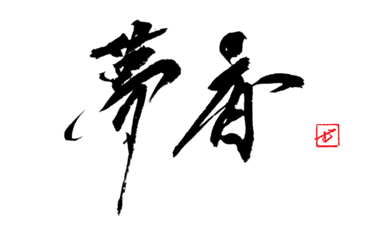
Kanji 雪 (Yuki / Setsu): The Character That Falls and Sweeps
2026-11-09
Two Readings, Two Different Arrivals
雪 carries two readings in Japanese: the on-reading setsu and the kun-reading yuki. Setsu appears in compound words where snow operates as an abstract condition — yukiguni (雪国, snow country), sekisetsu (積雪, snowfall accumulation), setsuboku (雪辱, redemption). Yuki is what arrives before thinking: the particular stillness outside a window that tells you snow fell overnight, the way sound disappears when you step into it, the cold that moves along a studio floor in early winter.
Before writing 雪, I call it yuki rather than setsu. Carrying setsu into the character, the strokes tend toward solidity and compression. Carrying yuki, something lighter enters the final horizontal sweep — almost released rather than applied. The sound shifts the hand, not through deliberate instruction but through accumulation. After ten or more years of writing characters in both registers, the bindings form on their own.
The Broom Behind the Rain Crown
Tracing from pictograph to kaisho, 雪's oracle bone form joins two images: 雨, rain falling from the sky, and 彗, a broom. The ancient reading of snow was: something that falls and sweeps itself clean. That double nature — accumulation and erasure together — was embedded from the beginning.
The modern eleven-stroke kaisho 雪 carries the rain crown (雨冠) at the top and a form derived from that broom below. The broom's shape is no longer readable. But snow still accumulates and disappears; the original pairing remains true. Among seasonal phenomena, snow alone does both at once — the etymology holds.
The Spacing Inside the Rain Crown
When writing 雪, the detail that shapes the whole character is the placement of the horizontal stroke inside the rain crown and the four dots that follow. As described in the rain crown radical guide, the horizontal line comes first; the four dots drop below it. Placing the horizontal too low, or spacing the dots at equal intervals, compresses the crown into something inert.
Equal spacing is stability — but in calligraphy, equality is a kind of stopping. Placing the horizontal slightly higher and leaving the four dots room to fall produces the crown's character: water suspended just before it moves. Writing 雪 large on a half-sheet at 35×68 cm, this arrangement becomes legible only when I step back from seiza and read the whole character at once. During writing, only the immediate stroke is in my field of attention. The assessment happens in the pause. Building the habit of that pause — sitting back, looking, before the next sheet — took more sheets than I can count.
The Final Sweep
雪 closes with a horizontal sweep at the base of the lower component. The directive I return to with this stroke: lighter than you think. Applying too much pressure grounds the character and removes the particular weightlessness that belongs to snow.
November in the studio brings dry air and faster ink absorption. The same dilution that worked through summer absorbs into the paper fiber more quickly now. I learned this by overshooting: the tip of the final sweep thinning out before the stroke completed, the character looking overworked at its close. The correction was small — loading the brush slightly more before the final horizontal to compensate for the dryness. That failure became a habit, and the habit is now inside the motion without deliberate recall.
Writing 雪 in November, before any snow has fallen: calling the character yuki and placing the final sweep, I write toward a season that is coming. The studio air is the same as when I wrote 冬 two days ago — same early-winter cold, different character, same light reaching the page.