ARTICLE
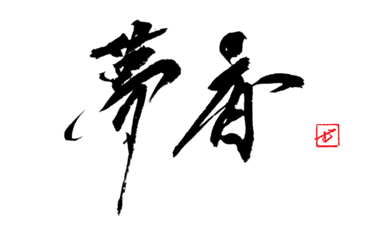
Kanji 炭 (Tan / Sumi): Charcoal, Ink, and the Black They Share
2026-11-17
Two Characters, One Sound
炭 (charcoal) carries the on-reading tan and the kun-reading sumi. 炭素 (tanso): carbon. 石炭 (sekitan): coal. 炭火 (sumibe): charcoal fire. The word sumi in everyday Japanese names the charcoal made from burning wood slowly under low oxygen — the material that has heated Japanese rooms for centuries.
The same sound, sumi, names the ink used in calligraphy: 墨. This is not coincidence. Pine soot ink and oil soot ink are both produced by burning organic material — pine wood, rapeseed oil — and collecting the carbon residue. The black of the inkstick and the black of charcoal come from the same chemical family. When I say sumi to refer to the ink I grind every morning, the word carries both meanings. Charcoal and ink share a sound because they share a source.
Mountain, Cliff, Fire
炭 belongs to the fire radical group (火部) and contains nine strokes. The structure breaks into three layers: 山 (mountain, three strokes) at the top; 厂 (cliff/overhang, two strokes) in the middle; 火 (fire, four strokes) at the base.
山 is an ideograph of three peaks — it appears at the top of 炭 in its compact form, three ascending verticals. 厂 is the pictograph of a cliff face or rock overhang: a horizontal roof stroke with a vertical drop. Beneath the overhang, 火 burns. The character reads as a visual description: in the mountains (山), under a hollow (厂), fire (火) burns enclosed — the conditions for making charcoal, where wood smolders slowly without full combustion. Three thousand years of scribes have written this nine-stroke compression of a mountain process.
Writing the Character
When I write 炭, I fix the width of 山 first. The mountain must stay compact — roughly half the total character width — so the components below have room to spread. If 山 widens, the lower sections crowd together, and the fire's natural expansion at the base becomes impossible.
The lower half opens where the upper half closes. The horizontal stroke of 厂 extends slightly beyond 山's edges; 火 below it spreads wider still, with its final stroke — the rightward sweep — defining the character's widest point. Upper tight, lower open: that tension holds the character.
The hardest stroke is the central vertical of 山 — the tallest of the three peaks, which carries the character's vertical axis. In winter, cold inkstone water takes longer to yield dense ink. The opening minutes of grinding produce ink that is thinner than expected, and I sometimes overload the brush before the ink has fully reached working concentration. The result is a first stroke that runs heavy. Before writing, I press the brush lightly against the edge of the inkstone — a small motion that removes the excess, bringing the tip back to what it can hold. It is a habit the cold season built.
The Smell of Burning and the Smell of Ink
The morning after writing 温, I added water to the inkstone and began grinding — the same opening as every day, but colder. Black develops slowly in cold water, deepening with each circular pass the same way charcoal deepens as it burns.
The smell of ink is built from soot and animal glue. Pine soot ink, ground in cold water on a winter morning, releases something faint and woody — not quite smoke, but close to the memory of it. 炭 and 墨 share more than a reading. The sound sumi names two blacks that come from one source: organic material transformed by fire into carbon, reshaped into warmth or into lines on paper.
Ink and paper and brush in the winter cold, writing the character that holds charcoal in nine strokes.