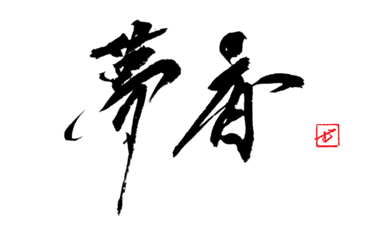
KANJI DICTIONARY
On'yomi
りょう
Kun'yomi
みささぎ
Strokes
11
JLPT
N1
Meaning
Mausoleum, Imperial Tomb, Mound, Hill
陵 is an 11-stroke kanji with the radical ⻖ (hill/mound). On'yomi: ryō. Kun'yomi: misasagi (an imperial mausoleum). Used in 御陵 (goryō, "imperial tomb"), 丘陵 (kyūryō, "hills"), and 陵墓 (ryōbo, "mausoleum").
Readings
- On'yomi: ryō — 御陵 (goryō), 丘陵 (kyūryō), 陵墓 (ryōbo), 陵辱 (ryōjoku)
- Kun'yomi: misasagi — the specific word for an imperial or royal burial mound; not interchangeable with 御陵 in all contexts
Meanings
- Imperial mausoleum: the burial site of an emperor or imperial family member (みささぎ)
- Hill, mound: a naturally rising landform; used in 丘陵 (rolling hills)
- To violate, transgress: in 陵辱, the sense of "trampling over" extends to humiliation or assault
Etymology
The radical ⻖ (a simplified form of 阜, meaning an earthen mound or hill) grounds the character in landscape. The right component 夌 (ryō) depicts a person moving over a rise in the terrain. Together they evoke a great hill — the kind used as a burial mound for those of the highest rank.
Writing 陵 — Structure and Tips (11 Strokes)
Like 陰, 陵 uses a 1:3 width ratio between the left radical ⻖ and the right component 夌. Keep the left narrow and give the right side room to breathe.
- Compress ⻖ vertically: draw the short horizontal, then drop a long vertical to anchor the left side. Reserve the right two-thirds for 夌.
- Space the upper horizontals evenly: the multiple horizontal strokes in the upper right of 夌 should be parallel, angled slightly upward, and evenly spaced.
- Open the final sweeps wide: the closing strokes of 夌 spread outward. Let them extend generously — constricting them makes the character feel closed-in.
Script Styles
Kaisho (Regular Script)
Keep ⻖ tall and narrow; align the right-side horizontals in parallel. Let the final sweeping strokes open broadly to balance the compressed left.
Gyosho (Semi-Cursive Script)
Connect ⻖ into the right component with a continuous flow. Glide through the horizontal strokes in rhythm and let the final sweeps trail naturally.
Sosho (Cursive Script)
Reduce ⻖ to a single downward gesture, then carry the right side in one sweeping motion. The sense of a great mound rising should come through in the expansive final movement.
Summary
陵 is an 11-stroke character meaning "mausoleum" or "hill," built from the hill radical ⻖ on the left and 夌 on the right. On'yomi: ryō (丘陵, 御陵); kun'yomi: misasagi. Compress the left to 1/4 of the width and expand the right — this asymmetry is what gives the character its composed authority.
Tips for Writing “陵” Beautifully
- • In Kaisho (楷書), write each stroke carefully with clear stops and flicks
- • In Gyosho (行書), let the brush flow rhythmically between strokes
- • In Sosho (草書), simplify boldly while maintaining balance
- • 11 strokes total — following the correct stroke order naturally creates beautiful form
COMMISSION
This Character, Brushed as a Work
MUKYO creates commissioned calligraphy — logotypes, title lettering, and original artworks for brands and spaces, as well as live calligraphy performances. Available in Japan and worldwide.