KANJI DICTIONARY
On'yomi
えい、え
Kun'yomi
Strokes
16
JLPT
N1
Meaning
Defense, Protection
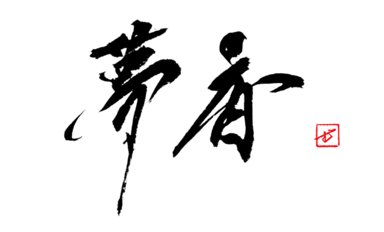
衛 (ei) is a 16-stroke kanji built on a three-part structure: the outer 行 radical (gyōgamae) splits to left and right and holds 韋 in the center. Its on'yomi is えい / え, and it means "to defend, to guard" — the sense of enclosing and protecting, as in 防衛 (defense), 衛生 (hygiene), and 護衛 (escort). In calligraphy, the key is to run the left and right pillars straight and settle 韋 cleanly between them.
Writing 衛 — a Three-Part Structure
衛 divides into three vertical clusters: the left 彳 (double-person radical), the central 韋, and the right 亍. The left and right together form 行 (gyōgamae), which cradles 韋 in its center. To keep 16 strokes from crowding, distribute the width across these three parts first.
- Thin pillars, a strong center: treat the left 彳 and the right vertical as slim pillars supporting the central 韋. A width ratio of roughly 1 : 2 : 1 (left : center : right) keeps the balance.
- Stack 韋 vertically: spreading it sideways cramps the whole character. Keep the horizontal strokes evenly spaced and build them upward along the center line.
- Tilt the horizontals slightly upward: rather than perfectly level, align the many horizontal strokes with a slight upward rise to the right. This keeps a dense character from sagging.
Script Styles
Kaisho (Regular Script)
Stand the left and right pillars vertical and space each horizontal of the central 韋 evenly. Keep the stops, hooks, and sweeps distinct so the three-part frame stays crisp.
Gyosho (Semi-Cursive Script)
Let the central horizontals connect, moving the brush top to bottom without lifting. Keep the outer pillars as the skeleton and simplify the interior slightly, so the high stroke count reads lightly.
Sosho (Cursive Script)
Gather the three-part outline in a single energetic motion. Even when abbreviated, carry the left and right vertical flow all the way through, so the "enclose and guard" structure still reads.
Summary
衛 is a 16-stroke character in which the outer 行 holds the central 韋. Run the left and right pillars straight, stack the center vertically, and align the horizontals with a slight upward tilt — follow that order, and the character resolves into a taut, balanced form despite its many strokes.
Tips for Writing “衛” Beautifully
- • In Kaisho (楷書), write each stroke carefully with clear stops and flicks
- • In Gyosho (行書), let the brush flow rhythmically between strokes
- • In Sosho (草書), simplify boldly while maintaining balance
- • 16 strokes total — following the correct stroke order naturally creates beautiful form
COMMISSION
This Character, Brushed as a Work
MUKYO creates commissioned calligraphy — logotypes, title lettering, and original artworks for brands and spaces, as well as live calligraphy performances. Available in Japan and worldwide.