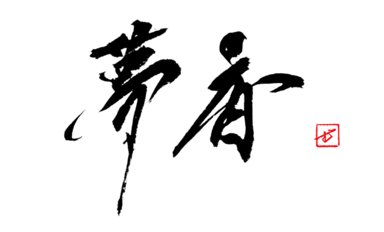
KANJI DICTIONARY
On'yomi
こう
Kun'yomi
みぞ
Strokes
13
JLPT
N1
Meaning
Gutter, Ditch, Sewer, Drain, 10**32
溝 is a 13-stroke kanji with radical 氵 (water). It reads こう (on'yomi) and みぞ (kun'yomi), meaning a gutter, ditch, or drain — and by extension, any unbridgeable gap. The left side is 氵 (water flowing); the right side is 冓 (kou), not 構 or the right half of 講, though all three share a visual resemblance.
How to Identify 溝 — "さんずい + 冓"
If you see a character that looks like 氵 (three water dots) combined with something resembling the right side of 構 (かまえ) or 講 (こう), the kanji is 溝 (みぞ).
The right component is 冓 (kou): 爻 stacked over 井, a pictograph of interlocking timber. 構, 購, 講, and 溝 all carry 冓 as their phonetic element; 溝 adds 氵 to specify flowing water in a ditch.
Readings of 溝
- On'yomi: こう — 溝渠 (canal, channel), 暗溝 (covered drain)
- Kun'yomi: みぞ — 溝 (ditch), 溝板 (drain cover), どぶ溝 (open gutter)
Meanings of 溝
- Ditch, gutter, drain — a channel cut in the ground or built into a structure to carry water
- Gap, divide — 溝が深まる (the rift widens); used metaphorically for any hard-to-bridge difference between people or ideas
How to Write 溝 — Structure and Stroke Order
溝 is a left-right character: 氵 on the left, 冓 on the right. With 13 strokes it is easy to crowd, so decide the width split first.
- Three to seven, left to right. Give 氵 roughly 30 % of the width and 冓 the remaining 70 %.
- Three dots of 氵 in rhythm. Bring the top two dots close, then let the final hook sweep outward to lead the eye right.
- Horizontals of 冓 evenly spaced. 冓 stacks many horizontal strokes; keep their intervals equal and run a vertical through the center so the right half stays tall rather than flat.
Expression in Each Script
Kaisho (Regular Script)
Keep the three dots of 氵 clean and uniform; space every horizontal of 冓 at equal intervals with a straight center stroke. Clear hooks and endings on each stroke give the character its composed density.
Gyosho (Semi-Cursive Script)
Write 氵 as a linked sweep leading into 冓; let the horizontals connect in rhythm. Hold the 3:7 proportion so the left side does not overwhelm.
Sosho (Cursive Script)
Reduce 氵 to a single fluid gesture; abbreviate 冓 boldly. The 3:7 width split is the one element that must survive simplification — lose it and the character loses its shape.
Summary
溝 is a 13-stroke, 氵-radical kanji meaning ditch and divide. Its right side is 冓, not 構 or 講. Keep 氵 narrow, let 冓 stand tall, and space its horizontal strokes evenly: the character will hold its form even at complex density.
Tips for Writing “溝” Beautifully
- • In Kaisho (楷書), write each stroke carefully with clear stops and flicks
- • In Gyosho (行書), let the brush flow rhythmically between strokes
- • In Sosho (草書), simplify boldly while maintaining balance
- • 13 strokes total — following the correct stroke order naturally creates beautiful form
COMMISSION
This Character, Brushed as a Work
MUKYO creates commissioned calligraphy — logotypes, title lettering, and original artworks for brands and spaces, as well as live calligraphy performances. Available in Japan and worldwide.