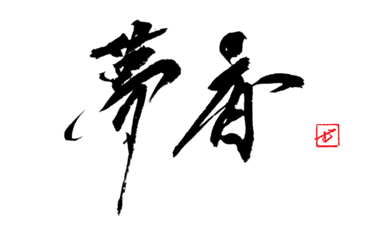
KANJI DICTIONARY
On'yomi
りょう
Kun'yomi
すずしい、すずむ、すずやか、うすい、ひやす、まことに
Strokes
11
JLPT
N2
Meaning
Cool, Refreshing, Serene
涼 means "cool" or "refreshing" — the pleasant sensation of clear, cool air. Read as ryō (on'yomi) or suzushii / suzumu (kun'yomi). It is a phono-semantic compound: the water radical 氵 on the left, and 京 (a high, elevated place) on the right supplying both sound and image. 11 strokes, JLPT N2.
Reading 涼
- On'yomi: ryō — 涼風 (ryōfū, cool breeze), 清涼 (seiryō, refreshing), 納涼 (nōryō, enjoying the evening cool)
- Kun'yomi: suzushi-i (cool), suzu-mu (to cool oneself), suzu-yaka (refreshingly cool), hiya-su (to chill)
Note: 凉 (U+51C9) is a variant form of 涼 — the left component becomes 冫 (two-stroke ice radical) instead of 氵 (three-stroke water radical). Meaning and readings are identical; 涼 is the standard form in modern Japanese.
Meaning of 涼
- Cool and refreshing: the core meaning — pleasant coolness, as in 涼風 (cool breeze) or 涼感 (feeling of coolness)
- Clear and serene: extended to calm spiritual clarity — 清涼 (refreshing purity), 涼やかな目元 (cool, clear eyes)
Origin of 涼
涼 is a phono-semantic compound (形声字 keisei-ji). The left element 氵 (sanzui, water radical) supplies meaning — water, clarity. The right element 京 (kyō, a high elevated place) supplies the sound ryō and an image of cool, clean heights. Together they evoke the refreshing breeze from a high, clear place.
- Radical: 氵 (water)
- Strokes: 11
- Phonetic component: 京 (kyō)
Writing 涼 in Calligraphy
涼 is a left–right compound: 氵 on the left (one-quarter width), 京 on the right (three-quarters).
The 氵 (sanzui) is written as three dots descending diagonally to the lower left — make the third dot slightly longer to anchor the character's base. For the upper part of 京 (亠), place one dot then a short crossbar on the center line. The middle 口 stays compact and slightly tall; do not spread it wide. The lower 小 has a firm central vertical stroke with flanking strokes that angle outward without splaying.
Place the character's visual weight slightly right of center; 氵 acts as the counterbalance on the left.
Gyosho (semi-cursive)
Connect the three 氵 dots in a single flowing curve and transition into 京 without lifting the brush. Compress 口 and 小 into a continuous downward motion.
Sosho (cursive)
Abbreviate 氵 to one sweeping stroke. Simplify 京 boldly — follow the downward energy through the right side in one fluid movement.
Tips for Writing “涼” Beautifully
- • In Kaisho (楷書), write each stroke carefully with clear stops and flicks
- • In Gyosho (行書), let the brush flow rhythmically between strokes
- • In Sosho (草書), simplify boldly while maintaining balance
- • 11 strokes total — following the correct stroke order naturally creates beautiful form
COMMISSION
This Character, Brushed as a Work
MUKYO creates commissioned calligraphy — logotypes, title lettering, and original artworks for brands and spaces, as well as live calligraphy performances. Available in Japan and worldwide.