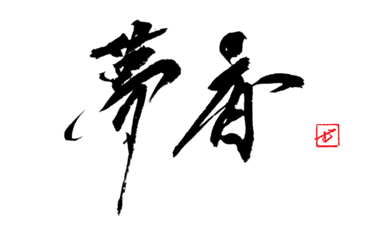
KANJI DICTIONARY
On'yomi
こう
Kun'yomi
あらがう
Strokes
7
JLPT
N1
Meaning
Confront, Resist, Defy, Oppose
抗 is a 7-stroke kanji with radical 扌 (hand). On'yomi: kō. Kun'yomi: aragau — to resist, to defy, to push back. Built from 扌 (hand) on the left and 亢 (upright, elevated) on the right. The image: a hand thrust upward against a force bearing down — resistance made physical.
Readings
- On'yomi: kō — 抵抗 (resistance), 抗議 (protest), 対抗 (opposition), 抗体 (antibody), 反抗 (defiance)
- Kun'yomi: aragau — 抗う (to defy, to push back); sometimes written あがらう (aragau) in classical or dialectal usage, though あらがう is the modern standard reading
抗う (aragau) carries more weight than simple opposition — it implies sustained resistance against something powerful, often difficult but resolute.
Meanings
- To resist, to push back: withstanding force or authority rather than yielding (抵抗 resistance, 反抗 defiance)
- To oppose, to rival: standing as an equal force (対抗 opposition, 抗争 conflict)
- To fight against (medically): the body's defense against foreign agents (抗体 antibody, 抗菌 antibacterial, 抗生物質 antibiotic)
Etymology
扌 (hand radical) combines with 亢, which carries the sense of something high, upright, unyielding. The compound calls up an arm raised against something bearing down from above — the original image of human defiance.
Writing 抗 — Structure and Tips (7 Strokes)
抗 is a left-right character: 扌 (3 strokes) on the left, 亢 (4 strokes) on the right.
- Keep 扌 narrow: width ratio 扌:亢 ≈ 1:2. The vertical stroke runs straight; the hook at the base angles right to invite 亢.
- Draw 亢's horizontals parallel: both horizontal strokes of 亢 should align with those of 扌 — parallel and evenly spaced.
- Center on 亢's vertical: the vertical of 亢 anchors the whole character. Let 扌 lean against it on the left, supporting rather than dominating.
The most common mistake is giving 扌 too much width, which crowds out 亢. Keep 扌 compact — once it steps back, the strength of 亢 comes forward.
Script Styles
Kaisho (Regular Script)
Write each stroke of 扌 cleanly, with a distinct hook at the base. Keep 亢's horizontals level and its vertical straight — this upright quality mirrors the character's meaning of resistance.
Gyosho (Semi-Cursive Script)
Flow through 扌 in a single connected gesture; carry the brush into 亢's horizontal without fully lifting. A slight diagonal energy in the stroke gives the character its sense of active opposition.
Sosho (Cursive Script)
Reduce 扌 to a near-single mark, then sweep through 亢 with momentum. The 7 strokes compress into a form that reads as spring-loaded resistance — taut, not relaxed.
Summary
抗 is a 7-stroke, 扌-radical character meaning to resist, to defy, or to oppose. On'yomi: kō (抵抗 resistance, 対抗 opposition, 抗体 antibody). Kun'yomi: aragau (to resist, to push back). Keep 扌 compact and 亢 expansive — the contrast between the smaller hand and the larger upright form is what gives 抗 its characteristic tension on paper.
Tips for Writing “抗” Beautifully
- • In Kaisho (楷書), write each stroke carefully with clear stops and flicks
- • In Gyosho (行書), let the brush flow rhythmically between strokes
- • In Sosho (草書), simplify boldly while maintaining balance
- • 7 strokes total — following the correct stroke order naturally creates beautiful form
COMMISSION
This Character, Brushed as a Work
MUKYO creates commissioned calligraphy — logotypes, title lettering, and original artworks for brands and spaces, as well as live calligraphy performances. Available in Japan and worldwide.