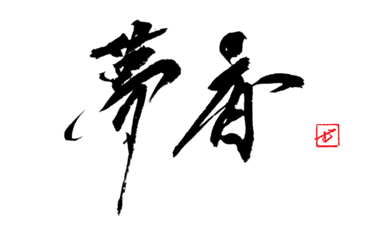
KANJI DICTIONARY
On'yomi
か
Kun'yomi
Strokes
14
JLPT
N1
Meaning
Widow, Minority, Few
寡 is a 14-stroke kanji with the radical 宀 (roof). On'yomi: ka. There is no kun'yomi. Used in 寡黙 (kamoku, "taciturn"), 寡占 (kasen, "oligopoly"), 多寡 (taka, "quantity/degree"), and 寡婦 (kafu, "widow").
Readings
- On'yomi: ka — 寡黙 (kamoku), 寡占 (kasen), 多寡 (taka), 寡婦 (kafu), 寡欲 (kayoku)
- Kun'yomi: none — 寡 has no native Japanese reading
寡 is read only as ka. It carries no kun'yomi — a common point of confusion for learners who expect a word like "sukunai" (少ない) to attach here.
Meanings
- Few, scarce: a small number or quantity; 多寡 means "how many" or "the degree of difference"
- Alone, isolated: the sense of being solitary under one roof — historically 寡人 ("the solitary one") was a ruler's humble self-reference
- Widow: a woman who has lost her husband (寡婦)
Etymology
宀 (a roof or dwelling) crowns the character. The composition evokes a person remaining alone under a roof — from that image of solitude come the meanings of "few" and "widow." In classical Chinese literature, rulers referred to themselves as 寡人 (the isolated person) as an expression of humility.
Writing 寡 — Structure and Tips (14 Strokes)
寡 stacks the roof radical 宀 over a dense block of horizontal strokes. The challenge is keeping all those horizontals evenly spaced and aligned to a shared vertical center.
- Spread 宀 broadly: the roof stroke should extend wide enough to shelter everything below it. A narrow 宀 makes the lower portion feel exposed.
- Keep horizontals parallel and even: the multiple horizontal strokes below 宀 must be angled consistently (slightly upward to the right) and spaced at equal intervals. Uneven spacing is what makes this character look unstable.
- Open the final sweeps: the closing left and right sweeps of the lower portion should extend outward freely. This releases the compressed feeling of the many stacked strokes above.
Script Styles
Kaisho (Regular Script)
Anchor 宀 firmly, then work down through the horizontal strokes in even rhythm. End with the sweeping strokes spread wide — this openness counterbalances the density above.
Gyosho (Semi-Cursive Script)
Flow from 宀 directly into the horizontal strokes without lifting. Let the parallel lines build momentum, and release it in the final sweeps.
Sosho (Cursive Script)
Compress the upper section into a swift gesture, then resolve the lower portion with two expansive brush movements. The restraint of the upper half and the release of the lower carry the character's meaning of solitude and silence.
Summary
寡 is a 14-stroke character meaning "few," "alone," or "widow," with on'yomi ka and no kun'yomi. Place 宀 broadly at the top, keep the horizontal strokes parallel and evenly spaced, and let the final sweeps open outward — this rhythm makes a dense character feel resolved.
Tips for Writing “寡” Beautifully
- • In Kaisho (楷書), write each stroke carefully with clear stops and flicks
- • In Gyosho (行書), let the brush flow rhythmically between strokes
- • In Sosho (草書), simplify boldly while maintaining balance
- • 14 strokes total — following the correct stroke order naturally creates beautiful form
COMMISSION
This Character, Brushed as a Work
MUKYO creates commissioned calligraphy — logotypes, title lettering, and original artworks for brands and spaces, as well as live calligraphy performances. Available in Japan and worldwide.