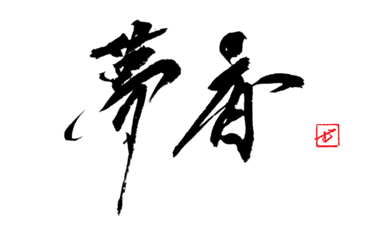
KANJI DICTIONARY
On'yomi
ゆい、い
Kun'yomi
ただ
Strokes
11
JLPT
N1
Meaning
Solely, Only, Merely, Simply
唯 is an 11-stroke kanji meaning "solely" or "only." On'yomi: yui (唯一, the only one) and i (唯々諾々, obedient compliance). Kun'yomi: tada (merely, just). The character combines 口 (mouth, left) and 隹 (bird, right) — place the bird component generously in the right two-thirds.
Readings
- On'yomi: yui — 唯一 (one and only, unique), 唯物論 (materialism)
- On'yomi: i — 唯々 (yes, yes; unquestioning compliance)
- Kun'yomi: tada — solely, just, merely
Yui is the more common reading, appearing in philosophical and everyday compounds. The alternate i-reading survives mainly in set phrases.
Meanings
- Solely, only: excluding all else — 唯一 (the one and only), 唯我独尊 (I alone am supreme)
- A response: the act of saying "yes" — 唯々諾々 (compliance without question)
- Philosophical prefix: 唯物論 (materialism), 唯心論 (idealism) — the "only X exists" claim
Etymology
口 (mouth) on the left, 隹 (bird) on the right. 隹 is an ancient pictograph of a short-tailed bird and carries the phonetic value yui/i across a family of characters (唯, 惟, 維). The image of a bird's single call — just one sound, nothing more — underlies the meaning of "solely."
Writing 唯 — Structure and Tips (11 Strokes)
唯 is a left-right compound: 口 on the left, 隹 on the right.
- Keep 口 small and left: confine the mouth radical to the leftmost third of the character. This gives 隹 room to breathe.
- Give 隹 the right two-thirds: stack 隹's four horizontal strokes at even intervals along a central vertical axis. Equal spacing creates calm and clarity.
- Extend the final downward sweep: 隹's last stroke falls downward in a sweeping diagonal. Let it reach — it anchors the whole character.
Script Styles
Kaisho (Regular Script)
Align 口 small and upright on the left. Write 隹's horizontal strokes at equal intervals, then commit to the final downward sweep.
Gyosho (Semi-Cursive Script)
Let the brush carry a thread of connection from 口 into 隹. The horizontal strokes may lightly merge, but keep the final sweep distinct.
Sosho (Cursive Script)
Reduce 隹 to its vertical axis and a single sweeping final stroke. The gesture of "just one, nothing more" should come through in the economy of movement.
Summary
唯 is an 11-stroke character meaning "solely" or "only" — 口 (mouth) left, 隹 (bird) right. Keep the mouth radical compact on the left, let the bird component expand to the right, and end with a confident downward sweep. That asymmetry of weight is what makes 唯 readable and balanced.
Tips for Writing “唯” Beautifully
- • In Kaisho (楷書), write each stroke carefully with clear stops and flicks
- • In Gyosho (行書), let the brush flow rhythmically between strokes
- • In Sosho (草書), simplify boldly while maintaining balance
- • 11 strokes total — following the correct stroke order naturally creates beautiful form
COMMISSION
This Character, Brushed as a Work
MUKYO creates commissioned calligraphy — logotypes, title lettering, and original artworks for brands and spaces, as well as live calligraphy performances. Available in Japan and worldwide.