KANJI DICTIONARY
On'yomi
しん
Kun'yomi
くちびる
Strokes
10
JLPT
N1
Meaning
Lips
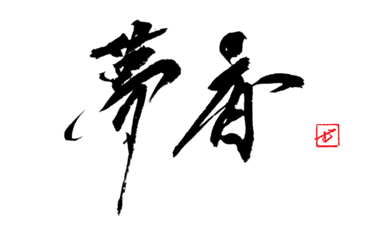
唇 reads shin (on'yomi) or kuchibiru (kun'yomi), meaning "lips." It is a phonetic compound: 辰 (shin) provides the reading; 口 (mouth) carries the meaning. 10 strokes, JLPT N1.
Readings of 唇
- On'yomi: しん (shin) — used in compound words and formal expressions
- Kun'yomi: くちびる (kuchibiru) — used alone and in everyday speech
In daily speech kuchibiru is by far the more common reading. The on'yomi shin appears mainly in classical compounds.
Meanings of 唇
Lips — the upper and lower skin borders of the mouth. Extended metaphorically to the edge or rim of an object.
- 唇亡歯寒 (shinbō shikan): "When the lips are gone, the teeth feel cold." An idiom for mutual dependence: when one side falls, the other suffers.
- 朱唇 (shushin): "Crimson lips." A classical expression for beautiful features.
- 唇辺 (shinpen): The region of the lips; also used in phonetics for labial sounds.
Origin of 唇
唇 is a phonetic compound (形声文字, keisei moji). The upper component 辰 (shin) is the phonetic, lending its reading to the whole character. The lower component 口 (mouth) is the semantic, anchoring the meaning in the realm of the mouth. 辰 originally depicted a clam shell; it was later borrowed purely for its sound value.
- Radical: 口 (mouth)
- Stroke count: 10 (辰 7 strokes + 口 3 strokes)
- Phonetic component: 辰 (shin)
Writing 唇 in Calligraphy
唇 has a top-to-bottom structure: 辰 above, 口 below, in a 7:3 ratio.
The upper 辰 carries seven of the ten strokes. Space the horizontal lines evenly and let the final sweep extend to give the character movement. The lower 口 sits directly beneath — keep it square and compact, and do not widen it. If 口 grows too large, the center of gravity sinks and the character looks slack. Write as though 辰's sweep settles naturally, and 口 will fall into place below it.
Gyosho (Semi-Cursive)
Connect the middle horizontals of 辰 in a flowing run, carrying through into 口 without lifting the brush. Round the corners of 口 into a small, tight bundle.
Sosho (Cursive)
Abbreviate 辰 into a downward sweep of momentum. Reduce 口 to a dot-like mark. Ten strokes compressed into the energy of a single movement.
Tips for Writing “唇” Beautifully
- • In Kaisho (楷書), write each stroke carefully with clear stops and flicks
- • In Gyosho (行書), let the brush flow rhythmically between strokes
- • In Sosho (草書), simplify boldly while maintaining balance
- • 10 strokes total — following the correct stroke order naturally creates beautiful form
COMMISSION
This Character, Brushed as a Work
MUKYO creates commissioned calligraphy — logotypes, title lettering, and original artworks for brands and spaces, as well as live calligraphy performances. Available in Japan and worldwide.