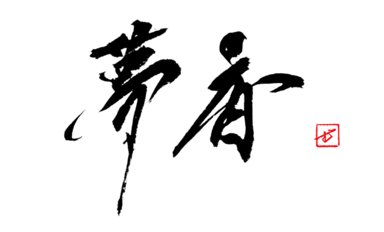
KANJI DICTIONARY
On'yomi
ぼ
Kun'yomi
つのる
Strokes
12
JLPT
N2
Meaning
Recruit, Campaign, Gather (contributions), Enlist, Grow Violent
募 is a 12-stroke kanji whose radical is 力 (the "power" radical). It has a top-over-bottom structure — 莫 above, 力 below — and reads ぼ (on'yomi) and つのる (kun'yomi). It appears in words such as 募集 (boshū, recruitment), 応募 (ōbo, application), and 募金 (bokin, fundraising).
Readings of 募
- On'yomi: ぼ — 募集 (recruitment), 応募 (application), 募金 (fundraising)
- Kun'yomi: つの-る — 募る (to appeal for; to grow more intense)
Meanings of 募
- To call for widely, to gather — recruiting people or collecting funds, as in 募集 and 募金
- To grow more intense — as in 思いが募る, a feeling steadily mounting
As the 力 (power) radical suggests, both senses carry the motion of striving outward or building up.
Radical and Origin of 募
The radical of 募 is 力 (power), specifically the 力 written in strokes 11–12 at the bottom of the character.
The structure divides top and bottom: the upper component is 莫 (baku) — a pictograph of the sun sinking into grass, meaning "to set / to grow dark" — combined with the lower 力. 莫 also serves as the phonetic element (on'yomi: ぼ). Adding 力 created the meaning of "to strive outward and call widely," which underlies 募集 (recruitment), 応募 (application), and 募金 (fundraising).
- Radical: 力 (power)
- Stroke count: 12 (力 falls at strokes 11–12)
- Phonetic element: 莫 (ぼ) — the same root as 莫大 (enormous) and 漠然 (vague)
How to Write 募 — Structure and Stroke Order
募 is a top-over-bottom character made of 莫 above and 力 below. Because the top is large and the bottom small, it easily looks top-heavy, so keep these points in mind.
- Balance the grass radical. Keep the top 艹 short and symmetrical left to right.
- Set the central 日 upright. Place the 日 at the heart of 莫 on the character's center line so the upper block does not tilt.
- Let 力 catch the weight at the center. Write the final 力 slightly smaller and centered so it supports the mass above; steady it with the left sweep and the right bend-and-hook.
Expression in Each Script
Kaisho (Regular Script)
Space the upper horizontals evenly and stretch the sweep of 大 out to both sides; make the bend and hook of 力 crisp to close the character.
Gyosho (Semi-Cursive Script)
Carry the connection of the upper horizontals into the movement toward 力, keeping the frame while giving it rhythm.
Sosho (Cursive Script)
Simplify the top boldly and finish with the momentum of 力, running the center line through so the top-over-bottom balance still reads even when abbreviated.
Summary
募 is a 12-stroke, 力-radical character meaning "to call for" and "to mount." Set 莫 wide above and let 力 receive it at the center: hold that balance and the form stays tight instead of top-heavy.
Tips for Writing “募” Beautifully
- • In Kaisho (楷書), write each stroke carefully with clear stops and flicks
- • In Gyosho (行書), let the brush flow rhythmically between strokes
- • In Sosho (草書), simplify boldly while maintaining balance
- • 12 strokes total — following the correct stroke order naturally creates beautiful form
COMMISSION
This Character, Brushed as a Work
MUKYO creates commissioned calligraphy — logotypes, title lettering, and original artworks for brands and spaces, as well as live calligraphy performances. Available in Japan and worldwide.