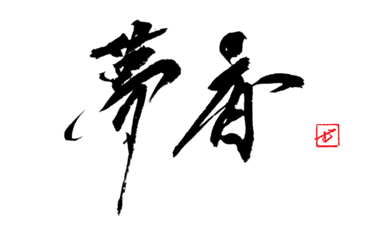
KANJI DICTIONARY
On'yomi
ほ、ほう
Kun'yomi
たもつ
Strokes
9
JLPT
N1
Meaning
Protect, Guarantee, Keep, Preserve, Sustain, Support
保 is a 9-stroke kanji with radical 亻 (person). On'yomi: ho, hō. Kun'yomi: tamotsu — to keep, to maintain. Built from 亻 (person) on the left and a broader component on the right. Its origin: a person carrying a child on their back, the image of protection made visible in a single character.
Readings
- On'yomi: ho — 保護 (protection), 保険 (insurance), 保持 (retention), 保留 (pending/reserved)
- On'yomi: hō — 保証 (guarantee), 保有 (possession), 保全 (preservation)
- Kun'yomi: tamotsu — 保つ (to maintain, to keep a state intact)
Ho is the common everyday reading; hō tends to appear in legal and formal compounds expressing guarantee or ownership.
Meanings
- To protect, to guard: shielding from harm or loss (保護 protection, 保安 security)
- To keep, to maintain: holding a state constant over time (保持 retention, 保温 heat retention)
- To guarantee: pledging that something is certain (保証 guarantee, 担保 collateral)
The character's shape traces back to a person (亻) carrying a child — protection embodied in the physical act of holding something close.
Etymology
亻 (person radical) combines with a component that originally depicted someone bearing a child on their back. The sheltering gesture — hands wrapped around what is carried — gives 保 its core meaning of keeping something safe.
Writing 保 — Structure and Tips (9 Strokes)
保 is a left-right character: 亻 (3 strokes) on the left, the broader component (6 strokes) on the right.
- Keep 亻 narrow: the vertical stroke angles slightly right. Width ratio 亻:right ≈ 1:2.5 — give the right side room to breathe.
- Set the top horizontal of the right component wide: this stroke serves as the character's baseline; draw it broad enough to anchor everything below.
- Finish firmly: the final downward stroke of the right component carries the character's weight — end it with a deliberate, grounded stop.
The most common mistake beginners make is letting 亻 compete with the right component for space. Once 亻 steps back into a supporting role, the character settles.
Script Styles
Kaisho (Regular Script)
Draw each stroke of 亻 distinctly; keep the right component's horizontals parallel. Clean starts, hooks, and endings give 保 a composed, upright quality.
Gyosho (Semi-Cursive Script)
Flow from 亻 into the right component without a hard break. The slight roundness in the lower right adds warmth — fitting for a character about care and preservation.
Sosho (Cursive Script)
Reduce 亻 to a single gesture, then sweep through the right component in a connected arc. The watchful quality of 保 comes through in the brush's unhurried, encompassing movement.
Summary
保 is a 9-stroke, 亻-radical character meaning to protect, maintain, or guarantee. On'yomi: ho (保護 protection, 保険 insurance), hō (保証 guarantee). Kun'yomi: tamotsu (to keep, to maintain). Keep 亻 compact and let the right component expand — that asymmetry mirrors the act of holding something close and not letting go.
Tips for Writing “保” Beautifully
- • In Kaisho (楷書), write each stroke carefully with clear stops and flicks
- • In Gyosho (行書), let the brush flow rhythmically between strokes
- • In Sosho (草書), simplify boldly while maintaining balance
- • 9 strokes total — following the correct stroke order naturally creates beautiful form
COMMISSION
This Character, Brushed as a Work
MUKYO creates commissioned calligraphy — logotypes, title lettering, and original artworks for brands and spaces, as well as live calligraphy performances. Available in Japan and worldwide.