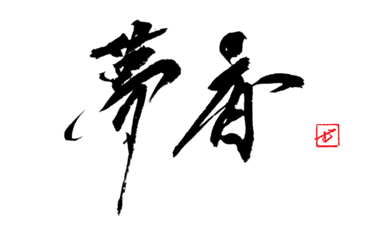
KANJI DICTIONARY
On'yomi
へい
Kun'yomi
あわせる
Strokes
8
JLPT
N1
Meaning
Join, Get Together, Unite, Collective
併 is an 8-stroke kanji meaning "to join" or "to combine." On'yomi: hei — 合併 (merger), 併設 (co-establish). Kun'yomi: awaseru — to combine, to merge. The character pairs 亻 (person radical, left) with 幷 (together, right) — give the right component generous space.
Readings
- On'yomi: hei — 合併 (merger, amalgamation), 併設 (joint establishment), 兼併 (annexation)
- Kun'yomi: awaseru — to combine, to bring together
Hei appears in business and legal language (merger, annexation, co-location). Awaseru is the everyday verb meaning to merge or combine two things.
Meanings
- To join, merge: bringing separate things into one — 合併 (merger), 兼併 (annexation)
- To set up alongside: two functions in one place — 併設 (co-located, adjoined)
- In parallel, together: 併行 (concurrent), 並用 (combined use)
Etymology
亻 (person radical) on the left, 幷 on the right. 幷 is an ancient pictograph showing two people standing side by side — the visual idea of "together." 亻 marks a human action, while 幷 contributes both the sound (hei) and the meaning of "placing side by side." A phono-semantic compound built around the act of joining.
Writing 併 — Structure and Tips (8 Strokes)
併 is a left-right compound: 亻 (person) on the left, 幷 on the right.
- Keep 亻 narrow on the left: the person radical needs only the leftmost third — a vertical stroke and a small sweep to the left. Its job is to signal the semantic category, not to dominate.
- Give 幷 two-thirds of the width: the right component contains parallel vertical strokes with horizontal crossbars. Space them evenly.
- Thread the center line: imagine a vertical axis running through 亻's downstroke. Align the center of 幷 along that same line and the character will feel stable.
Script Styles
Kaisho (Regular Script)
Write 亻 cleanly with a confident sweep, then lay out 幷's parallel verticals at equal intervals with neat crossbars.
Gyosho (Semi-Cursive Script)
Carry the brush directly from 亻 into 幷 without fully lifting. The horizontal strokes of 幷 may connect lightly, adding warmth without losing structure.
Sosho (Cursive Script)
Reduce 亻 to a single quick stroke, then sweep through 幷's verticals in a flowing downward motion.
Summary
併 is an 8-stroke character meaning "to join" or "to merge" — 亻 (person) left, 幷 (together) right. Keep the person radical slim and left, let 幷 expand to fill the right two-thirds, and center both on the same vertical axis. The character's meaning — bringing two things together — is built into its structure.
Tips for Writing “併” Beautifully
- • In Kaisho (楷書), write each stroke carefully with clear stops and flicks
- • In Gyosho (行書), let the brush flow rhythmically between strokes
- • In Sosho (草書), simplify boldly while maintaining balance
- • 8 strokes total — following the correct stroke order naturally creates beautiful form
COMMISSION
This Character, Brushed as a Work
MUKYO creates commissioned calligraphy — logotypes, title lettering, and original artworks for brands and spaces, as well as live calligraphy performances. Available in Japan and worldwide.