ARTICLE
Rainy Season and Shodo — Is Humidity Your Enemy or Ally?
2026-06-01
The Calligrapher's Rainy Season Struggle
Every June, conversations among calligraphers in Japan tend to circle back to the same frustrations: "My ink isn't drying properly," "The paper keeps warping," "My brush is taking forever to dry."
Japan's tsuyu (rainy season) is relentless — humidity regularly climbs to 70–90%, and every piece of equipment a calligrapher relies on feels the change. Ink, washi paper, and brushes each respond differently. After more than a decade of practicing shodo through many rainy seasons, I've learned to stop fighting the humidity and start working with it.
How Humidity Affects Sumi Ink
Liquid Ink Becomes Diluted
When there's a lot of moisture in the air, ink on the inkstone can absorb it, subtly changing the concentration. The same amount of grinding may produce slightly thinner ink than during dry months.
The fix is simple: grind your ink a little thicker during tsuyu. With practice, you'll develop a feel for the adjustment naturally.
Solid Ink Sticks Absorb Moisture
High-quality solid ink sticks are made from pine soot or oil soot bound with animal glue (nikawa). That glue is hygroscopic — it readily absorbs moisture. Store your ink sticks carelessly during rainy season and you may find them developing a white film on the surface or even cracking.
Storage tips:
- Wipe ink sticks dry after each use
- Allow them to air-dry naturally in a ventilated spot
- Keep them away from bathrooms or floor-level storage
- Silica gel packets in a sealed container work well
How Humidity Affects Washi Paper
Paper Warps and Waves
Washi is made from natural plant fibers that expand when they absorb moisture. Paper that waves before you even touch it, or buckles violently after you write — that's humidity at work.
Before you begin a session, try acclimating your paper to the room. Lay it flat and open for an hour or two so it adjusts to the ambient humidity level, which reduces warping significantly.
Ink Spreads More (and That's Not Always Bad)
Humidity-saturated washi changes how capillary action behaves, causing ink to bleed and spread more than it would in dry conditions. You can see this as a problem — or as an opportunity.
I've started deliberately embracing rainy-season bleeding. The soft, expansive quality of ink on humid paper creates lines you simply cannot achieve in winter. It feels like the ink is dancing through water. That kind of unpredictable softness has become one of my favorite things about writing in June.
Protecting Finished Work
Completed works are at risk of absorbing moisture and developing mold during tsuyu if not stored carefully.
Artwork storage during rainy season:
- Allow work to dry completely before storing (minimum 24 hours)
- Store flat with a dehumidifying agent nearby
- Place sheets of washi between works when stacking
- Avoid sealing work in plastic bags — you'll trap moisture inside
How Humidity Affects Your Brush
Drying Takes Much Longer
In humid conditions, a washed brush can take two to three times longer to dry than usual. Storing a brush that hasn't fully dried allows moisture to pool at the base of the bristles, creating conditions for mold and bacteria.
After each session:
- Wash promptly and squeeze out as much water as possible
- Dry in a room with a fan or dehumidifier running
- Don't roll the brush back into its brush mat until it's completely dry
Bristles Feel Softer
Humid air affects the bristles themselves — particularly soft brushes made from sheep's wool (yōmō), which can feel noticeably different than they do in dry months. If a brush feels off, the issue may be the weather, not your technique. Learning to read your tools' relationship with the environment is a real skill.
Setting Up Your Workspace for Rainy Season
Managing the space you work in goes a long way.
Recommended environment:
- Target 50–60% relative humidity (use air conditioning in dehumidify mode)
- Ventilate briefly before and after a session
- Place dehumidifying packets near stored tools
- Don't leave standing water (like a full water dish) in the workspace longer than necessary
The goal isn't perfect lab conditions — it's being aware of your environment and adjusting your practice accordingly.
The Sound of Rain and the Stillness of Ink
One last thought, more reflective than practical.
There's something that happens when rain falls outside while you're writing. You're less likely to go anywhere. The room feels smaller, quieter. The sound of rain merges with the sound of the inkstone, and a particular kind of ma — that Japanese concept of meaningful pause — settles into the space.
Try writing the character for rain: 雨. Inside a rectangular frame, evenly spaced drops. This character was invented by ancient people who looked up at the sky and turned what they saw into shape. Writing 雨 during the rainy season — while actually hearing rain — connects you to that original act of observation in a way that no other time of year can replicate.
Humidity demands care and attention. But tsuyu is also a season that deepens your practice. There's discovery in the inconvenience — and that, too, is something shodo teaches.
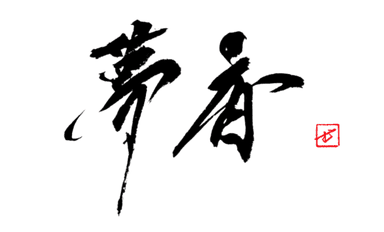
MUKYO is a Japanese calligrapher with over a decade of experience and an 8th-dan rank, exploring the living quality of a single line.