ARTICLE
The World of Saiboku: How Color Brings Calligraphy to Life
2026-05-28
Calligraphy Is Not Only Black
When most people think of Japanese calligraphy, they picture black ink on white paper. That image is deeply rooted — and for good reason.
But within the East Asian tradition of calligraphy, color has always been present. Saiboku (彩墨) — colored ink made by combining natural pigments with animal glue — offers a completely different range of expression than black sumi ink.
As I explored the world of calligraphy, discovering saiboku felt inevitable. I was chasing the power of a single line, and then I realized: color, too, can carry the same question — is this line alive?
What Is Saiboku?
Saiboku refers to any colored ink created by mixing pigments with nikawa (animal glue), which acts as a binder. Known also as iro-sumi (色墨, literally "colored ink"), it has been used for centuries in East Asian painting and calligraphy.
The key difference from black sumi ink lies in light and transparency. While black sumi creates depth and shadow, saiboku captures and reflects light, merging with the fibers of Japanese washi paper to produce a distinctive luminosity.
Depending on the pigment and the amount of water used, you can control transparency, gradation, and bleeding to achieve a wide range of effects.
Even Black Ink Has "Color"
Before diving into saiboku, it is worth noting that even traditional black ink exists in different hues:
- Yuen-boku (油煙墨) — Made from the soot of burning plant oils, this ink has a cool, bluish-black tone. It is the most widely used ink in contemporary calligraphy.
- Shouen-boku (松煙墨) — Made from pine soot, this ink has a warm, brownish-black tone that evokes a classical, timeless feeling.
Developing sensitivity to these subtle differences in black is the first step toward understanding saiboku.
Common Types of Saiboku
Shu / Red Tones
Red has long symbolized vitality and protection from evil in East Asian culture. Similar in hue to the red ink paste used for rakkan (calligrapher's seal), vermillion in calligraphy carries a special, almost sacred energy.
Gunjō / Blue Tones
A deep blue derived from the mineral lapis lazuli. Used in East Asian ink paintings to depict sky and water, this color communicates clarity and calm. In calligraphy, it adds a sense of depth without heaviness.
Rokushō / Green Tones
A copper-derived green with roots in traditional Japanese painting, where it represented pine needles and bamboo. It carries a dual quality — both stillness and vitality — that makes it well-suited to meditative works.
Gold and Silver
Reserved for ceremonial or high-impact pieces, gold and silver inks reflect light and command space. In contemporary art calligraphy, bold use of metallic pigments has become a signature element of work that bridges tradition and modernity.
Color as Emotional Language
When I use color in calligraphy, the question I return to is always: why this color?
Black is silence. Red is passion. Blue is stillness. Gold is resolve.
Color is not decoration. It is a declaration. Just as the shape of a line reveals the state of the person who drew it, so does the choice of color. Saiboku does not forgive pretense — in that way, it is no different from black ink.
I remember feeling uncertain the first time I worked with colored ink. Black felt honest in its severity. Color felt like it offered too much room to hide. But the more I worked with saiboku, the more I understood: color is equally unforgiving. It simply speaks in a different register.
Practical Tips for Working with Saiboku
Because saiboku behaves differently from black sumi, there are a few things to keep in mind:
1. Test with your paper first The absorbency of washi varies considerably. Highly absorbent paper will spread color quickly; sized or treated paper will hold the pigment closer to the surface, producing crisper edges. Always do a test before committing to a full piece.
2. Watch for nikawa degradation The animal glue in saiboku is a protein-based material and can degrade over time. Check the condition of your ink before use and store opened ink in a sealed container.
3. Use separate brushes It is best to dedicate specific brushes to saiboku and keep them separate from your black ink brushes. Residual pigment can cause unwanted mixing.
4. Rinse thoroughly after use Because the pigments in saiboku bind readily to brush fibers, rinse your brushes under running water immediately after use. Do not let colored ink dry in the brush.
Saiboku in Contemporary Calligraphy
The expressive potential of saiboku is being rediscovered in contemporary calligraphy and art.
Artists are layering thin washes of indigo behind bold black strokes, or tracing gold across textured washi to let space itself become luminous. The binary of black-on-white is giving way to a more complex visual language — one in which calligraphy operates as a full-spectrum art form.
This evolution makes sense. Calligraphy began as the art of beautiful writing, but it has grown into a visual language in its own right. Saiboku sits at the leading edge of that expansion.
A Final Thought — Color Is Not Silence
I love the quiet of black ink. But I have also come to love the way color speaks.
Some works call for silence. Others need to say something.
Discovering saiboku gave me more freedom — not because it is easier, but because it opened a new set of questions about what a line can carry.
If you have only ever worked with black sumi, I invite you to pick up a brush loaded with color. The way you see calligraphy may never be quite the same.
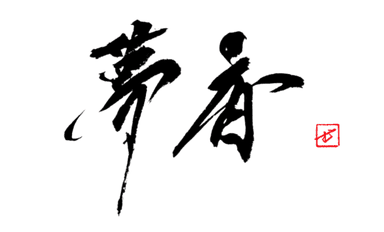
MUKYO (夢香) is a Japanese calligrapher with over a decade of practice and an 8th dan certification. Her work pursues the question: is this line alive?