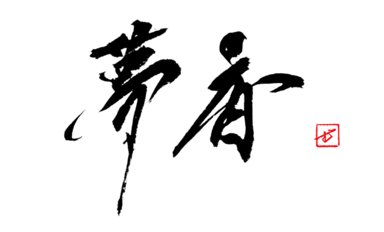
KANJI DICTIONARY
On'yomi
しん
Kun'yomi
こころ、-ごころ
Strokes
4
JLPT
N4
Meaning
Heart, Mind, Spirit, Heart Radical (no. 61)
The Origins of 心
The kanji 心 is a pictograph directly depicting the shape of the heart organ. Its four components represent the chambers and arteries of the heart. From this physical center of the body, the meaning expanded to encompass emotions, mind, spirit, and will.
Readings
- On'yomi (Chinese reading): しん
- Kun'yomi (Japanese reading): こころ、-ごころ
Key Facts
- Stroke count: 4
- JLPT level: N4
- Grade: Grade 2
Cultural Significance of 心
In Japanese culture, 心 is one of the most fundamental concepts. "Shin-gi-tai" (心技体 — mind, technique, body) in martial arts, "kokoroe" (心得 — understanding), "magokoro" (真心 — sincerity) — at the foundation of every pursuit lies the heart.
Compound Words with 心
- 心臓 (shinzō) — heart (organ)
- 安心 (anshin) — peace of mind
- 決心 (kesshin) — determination
- 初心 (shoshin) — beginner's mind
- 心配 (shinpai) — worry, concern
- 良心 (ryōshin) — conscience
Writing 心 in Calligraphy
With only 4 strokes, 心 is paradoxically one of the most challenging kanji to write in calligraphy. Every nuance of thickness, angle, and spacing matters. The placement of the three dots is said to directly reflect the writer's own heart — the white space between them expressing the spaciousness of one's spirit.
Kaisho (Regular Script)
In kaisho, write each stroke of 心 carefully and precisely, following the correct stroke order. Focus on proper brush entry, hooks, and sweeps to achieve a clean, formal character.
Gyosho (Semi-Cursive Script)
In gyosho, allow natural connections between strokes, keeping the brush flowing without lifting it from the paper. This adds warmth and fluidity while maintaining the character's fundamental structure.
Sosho (Cursive Script)
Sosho transforms 心 through bold abbreviation and energetic brushwork. The emphasis shifts from legibility to emotional expression and the dynamic movement of the brush.
心 in Performance Calligraphy
When calligrapher MUKYO performs 心 in live calligraphy, she channels her entire body into the brushwork. Standing before a large sheet of paper, she uses not just her wrist and arm, but her whole body — legs providing stability, core generating power, breath guiding the rhythm of each stroke.
The moment the brush touches paper, a unique connection forms between artist and audience. The sound of bristle on paper, the splash of ink, the intensity of creation — all concentrated into the single character 心.
Summary
The kanji 心 embodies the depth and beauty of the Japanese writing system. Through its etymology, cultural significance, and the art of calligraphy, this character tells a story spanning thousands of years. Writing 心 with intention and heart transforms it from mere notation into living art.
Tips for Writing “心” Beautifully
- • In Kaisho (楷書), write each stroke carefully with clear stops and flicks
- • In Gyosho (行書), let the brush flow rhythmically between strokes
- • In Sosho (草書), simplify boldly while maintaining balance
- • 4 strokes total — following the correct stroke order naturally creates beautiful form
COMMISSION
This Character, Brushed as a Work
MUKYO creates commissioned calligraphy — logotypes, title lettering, and original artworks for brands and spaces, as well as live calligraphy performances. Available in Japan and worldwide.