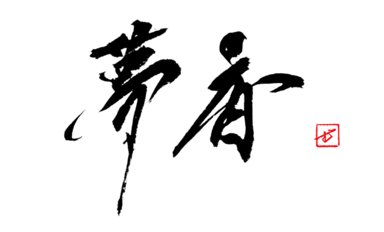
KANJI DICTIONARY
On'yomi
こう
Kun'yomi
ひかる、ひかり
Strokes
6
JLPT
N3
Meaning
Ray, Light
The Origins of 光
The kanji 光 is a compound ideograph showing fire (火) above a person (儿). It originally depicted the light of a torch held above one's head. The meaning expanded to encompass all forms of radiance — sunlight, glory, and the light of hope.
Readings
- On'yomi (Chinese reading): こう
- Kun'yomi (Japanese reading): ひかる、ひかり
Key Facts
- Stroke count: 6
- JLPT level: N3
- Grade: Grade 2
Cultural Significance of 光
In Japan, 光 has been considered sacred since ancient times. Amaterasu, the sun goddess, is the deity of light, and the red circle on Japan's flag (Hinomaru) symbolizes the light of the rising sun.
Compound Words with 光
- 光線 (kōsen) — ray of light
- 光栄 (kōei) — honor, glory
- 光景 (kōkei) — scene, spectacle
- 栄光 (eikō) — glory
- 月光 (gekkō) — moonlight
- 観光 (kankō) — sightseeing
Writing 光 in Calligraphy
With 6 strokes, 光 captures radiance in its structure. The diagonal strokes at the top represent rays of light, while the bottom anchors the character with human presence. Extend the final rightward sweep boldly to express light spreading outward.
Kaisho (Regular Script)
In kaisho, write each stroke of 光 carefully and precisely, following the correct stroke order. Focus on proper brush entry, hooks, and sweeps to achieve a clean, formal character.
Gyosho (Semi-Cursive Script)
In gyosho, allow natural connections between strokes, keeping the brush flowing without lifting it from the paper. This adds warmth and fluidity while maintaining the character's fundamental structure.
Sosho (Cursive Script)
Sosho transforms 光 through bold abbreviation and energetic brushwork. The emphasis shifts from legibility to emotional expression and the dynamic movement of the brush.
光 in Performance Calligraphy
When calligrapher MUKYO performs 光 in live calligraphy, she channels her entire body into the brushwork. Standing before a large sheet of paper, she uses not just her wrist and arm, but her whole body — legs providing stability, core generating power, breath guiding the rhythm of each stroke.
The moment the brush touches paper, a unique connection forms between artist and audience. The sound of bristle on paper, the splash of ink, the intensity of creation — all concentrated into the single character 光.
Summary
The kanji 光 embodies the depth and beauty of the Japanese writing system. Through its etymology, cultural significance, and the art of calligraphy, this character tells a story spanning thousands of years. Writing 光 with intention and heart transforms it from mere notation into living art.
Tips for Writing “光” Beautifully
- • In Kaisho (楷書), write each stroke carefully with clear stops and flicks
- • In Gyosho (行書), let the brush flow rhythmically between strokes
- • In Sosho (草書), simplify boldly while maintaining balance
- • 6 strokes total — following the correct stroke order naturally creates beautiful form
COMMISSION
This Character, Brushed as a Work
MUKYO creates commissioned calligraphy — logotypes, title lettering, and original artworks for brands and spaces, as well as live calligraphy performances. Available in Japan and worldwide.