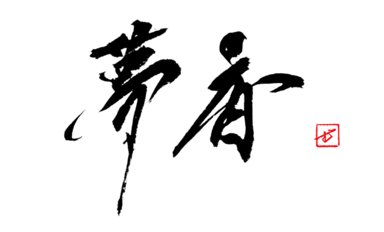
KANJI DICTIONARY
On'yomi
きゅう
Kun'yomi
やすむ、やすまる、やすめる
Strokes
6
JLPT
N5
Meaning
Rest, Day Off, Retire, Sleep
About the Kanji 休
休 is a Grade 1-level kanji consisting of 6 strokes. It is classified as JLPT N5.
Readings
- On'yomi (Chinese reading): きゅう
- Kun'yomi (Japanese reading): やすむ、やすまる、やすめる
Meanings
- Rest
- Day Off
- Retire
- Sleep
Writing 休 in Calligraphy
休 consists of 6 strokes. To achieve good balance, visualize the overall structure before you begin. Keep the center line straight and maintain even spacing on both sides.
Kaisho (Regular Script)
In kaisho, write each stroke of 休 carefully and precisely, following the correct stroke order. Focus on proper brush entry, hooks, and sweeps to achieve a clean, formal character.
Gyosho (Semi-Cursive Script)
In gyosho, allow natural connections between strokes, keeping the brush flowing without lifting it from the paper. This adds warmth and fluidity while maintaining the character's fundamental structure.
Sosho (Cursive Script)
Sosho transforms 休 through bold abbreviation and energetic brushwork. The emphasis shifts from legibility to emotional expression and the dynamic movement of the brush.
Summary
The kanji 休 is a 6-stroke character taught at the Grade 1 level. When writing it in calligraphy, follow the basic stroke order while embracing the unique characteristics of each script style. Infuse each stroke with intention, and the character will come alive on paper.
Tips for Writing “休” Beautifully
- • In Kaisho (楷書), write each stroke carefully with clear stops and flicks
- • In Gyosho (行書), let the brush flow rhythmically between strokes
- • In Sosho (草書), simplify boldly while maintaining balance
- • 6 strokes total — following the correct stroke order naturally creates beautiful form
COMMISSION
This Character, Brushed as a Work
MUKYO creates commissioned calligraphy — logotypes, title lettering, and original artworks for brands and spaces, as well as live calligraphy performances. Available in Japan and worldwide.